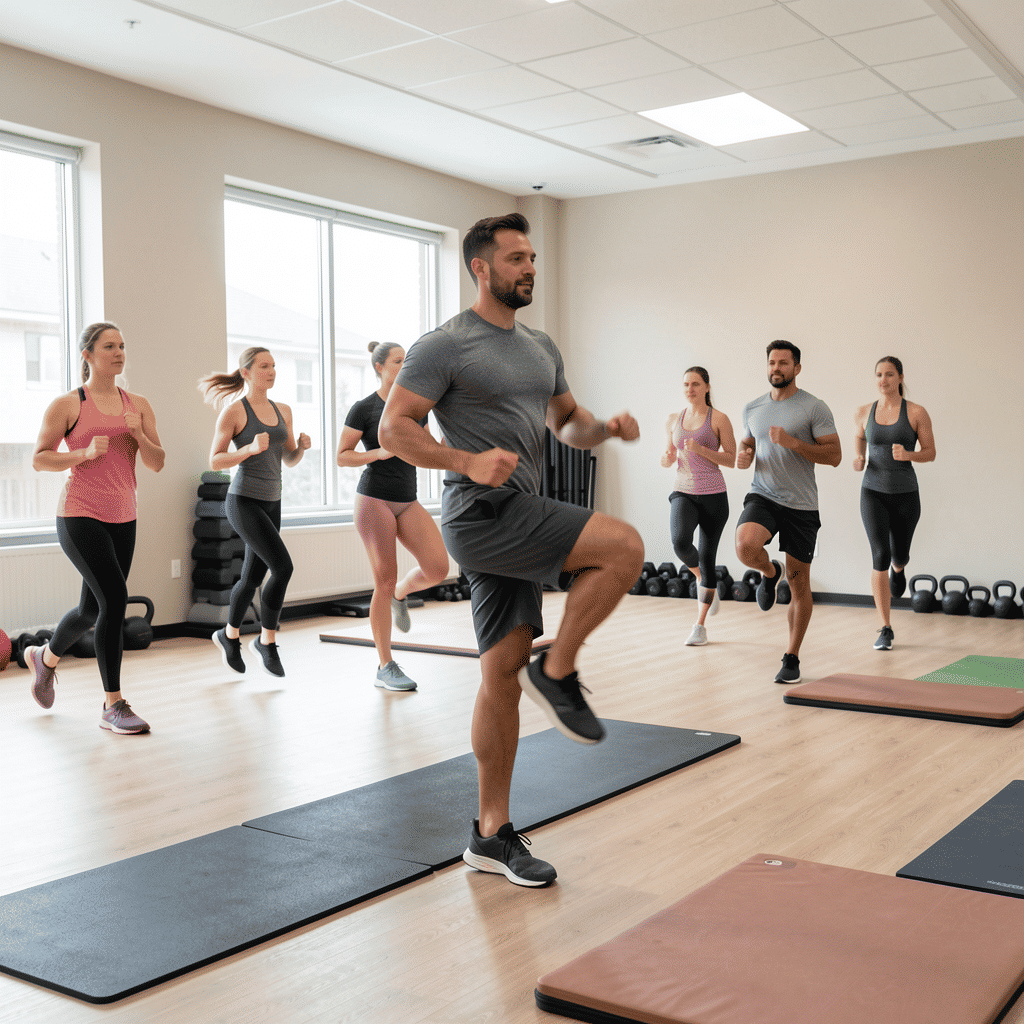
High-Intensity Interval Training (HIIT) has taken the fitness world by storm, and for good reason. This dynamic workout approach, known for its efficiency and effectiveness, has revolutionized the way people exercise, offering a host of benefits that cater to both busy schedules and diverse fitness goals. In this article, we'll delve into the world of HIIT, exploring its advantages and techniques to help you maximize calorie burn and enhance cardiovascular health.
At its core, HIIT is a form of cardiovascular exercise strategy that alternates short periods of intense anaerobic exercise with less intense recovery periods. The primary allure of HIIT is its ability to deliver substantial physical benefits in a fraction of the time compared to traditional workouts. This time-saving aspect makes HIIT an attractive option for those with packed schedules seeking to squeeze in a high-impact workout without dedicating hours to the gym.
One of the most significant benefits of HIIT is its effectiveness in burning calories and fat. Due to the high intensity of the exercises, you can achieve a higher rate of calorie burn in a shorter period. Additionally, HIIT boosts your metabolism, keeping it elevated even after your workout concludes—a phenomenon known as the "afterburn effect" or excess post-exercise oxygen consumption (EPOC). This process enables your body to continue burning calories at an accelerated rate for hours after your workout, facilitating weight loss and fitness gains.
Beyond calorie burning, HIIT workouts offer immense benefits for cardiovascular health. The vigorous nature of these workouts forces the heart to pump efficiently, improving cardiovascular endurance and reducing the risk of heart disease over time. Regular HIIT sessions can lead to lower blood pressure, improved cholesterol levels, and better blood sugar control. All these factors contribute to a healthier heart and enhanced overall wellbeing.
To reap the benefits of HIIT, certain techniques and principles should be adhered to. First, choose exercises that work for multiple muscle groups and elevate your heart rate, such as squats, burpees, sprints, or jumping jacks. Next, structure your workout into intervals of high-intensity exercise lasting anywhere from 20 to 60 seconds, followed by shorter recovery periods. A common ratio might be 30 seconds of intense activity followed by 15 seconds of rest, repeated for a total of 15 to 30 minutes.
While the benefits are significant, it's crucial to approach HIIT with proper technique and caution. Ensure you're using correct form to avoid injuries and consider consulting a fitness professional if you're new to this style of exercise. Additionally, because of its intense nature, it's advisable to limit HIIT sessions to two or three times per week, complementing it with other forms of exercise like strength training or low-intensity cardio to balance your fitness routine.
Incorporating HIIT into your lifestyle can be both rewarding and transformative. Whether you aim to shed pounds, boost your stamina, or enhance your cardiovascular health, HIIT provides a powerful solution. As you embrace the techniques of HIIT, you'll likely find yourself not only mastering a new workout but also mastering a healthier, more active you. Remember, consistency is key, and with each session, you edge closer to unlocking the full potential of HIIT workouts.